Worm on a Leaf Embroidery Design
As an embroidery designer and product reviewer, I’ve seen my fair share of designs—some that feel like they were made for real-world use, and others that look great on a screen but fall apart in practice. Worm on a Leaf is one of the former. It’s a simple yet charming design that brings a playful, nature-inspired vibe to any project. But what does it actually look like when stitched? And where does it truly shine?
The First Impression: A Playful, Nature-Inspired Design
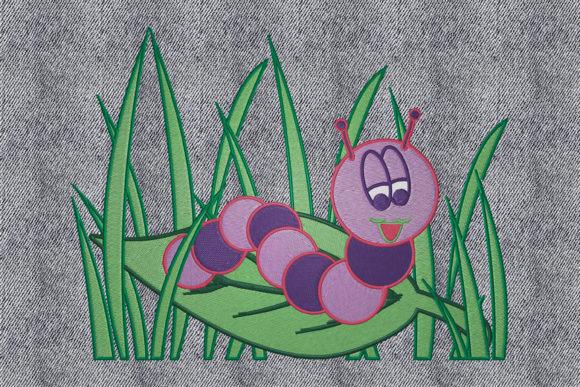
Worm on a Leaf immediately gives off a whimsical, almost nostalgic feel. The shape is clean and recognizable, with a soft curve that mimics the natural movement of a worm curling on a leaf. The layout is straightforward, making it easy to integrate into various projects without feeling cluttered or overwhelming.
The level of detail is modest but effective. It’s not a high-detailed illustration, which means it works well for casual or children’s items. The visual personality leans toward simplicity and charm, rather than intricate realism. This makes it ideal for baby clothes, kids’ apparel, or even as a subtle accent on tote bags or aprons.
Real-World Use: Where Worm on a Leaf Fits Best
I’ve used Worm on a Leaf on a custom embroidered tote bag for a local boutique. The design was stitched using a satin stitch for the worm and a fill stitch for the leaf. The result was clean and clear, with enough detail to make the piece stand out without being too busy. It worked well on a light-colored cotton tote, where the thread contrast was visible but not jarring.
This design also has potential for sweatshirt embroidery, especially for casual, laid-back brands. It could be a fun addition to a children’s line or a seasonal item for a craft fair. As an embroidered patch, it would work nicely on jackets or backpacks, offering a small but meaningful design element.
For baby items, Worm on a Leaf could be a gentle, non-threatening design that parents might appreciate. It’s not too scary or complex, which makes it a safe choice for onesies or blankets. The simplicity also helps with visibility, ensuring that the design remains clear even after multiple washes.
Where to Be Cautious: Limitations and Considerations
While Worm on a Leaf is a solid design, there are some situations where it might not perform as well. For instance, if you’re working with small hoop sizes, the design may need to be split or adjusted to fit. That can complicate the stitching process, especially if you’re trying to maintain consistency across multiple pieces.
On textured fabrics or thin, stretchy materials, the design might not hold up as well. The stitch density is moderate, so it’s important to use the right stabilizer to prevent puckering or distortion. Dark fabrics can also be a challenge, as the thread colors may not show up as clearly. Testing on scrap fabric first is always a good idea.
If you’re planning to use this design on curved surfaces like caps or hoods, be prepared for some extra effort. The shape of the worm might get slightly distorted if the hoop isn’t positioned correctly. Similarly, if the design includes tiny lettering or decorative accents, those details could be lost if the stitch density is too low.
Visual Appeal and Customer Perception
When it comes to visual appeal, Worm on a Leaf is a crowd-pleaser. It adds a touch of creativity without being too bold. Customers often respond well to designs that feel personal and unique, and this one fits that bill. It’s perfect for handmade products that aim to stand out on Etsy or at craft fairs.
From a commercial perspective, this design can add value to your product line. It’s versatile enough to be used in both personal and commercial projects, as long as the licensing allows for it. If you’re selling finished items or digital products, make sure to check the terms before proceeding.
For small shop owners and Etsy sellers, Worm on a Leaf can be a great addition to your catalog. It’s easy to market as a personalized gift or a seasonal item. The design also works well with printable mockups, helping you showcase it effectively in listings or social media posts.
Practical Designer Notes: What to Check Before Using
Before jumping into a project with Worm on a Leaf, here are a few things to keep in mind:
- Test the design on scrap fabric to see how it looks in real life and adjust settings if needed.
- Check thread color contrast against your chosen fabric to ensure visibility.
- Review stitch density to avoid issues with stretching or puckering.
- Confirm hoop size to make sure the design fits comfortably.
- Inspect small details to ensure they remain clear after stitching.
- Test in black and white mockups to see how it looks without color.
- Compare light and dark fabric backgrounds to understand how it will appear in different contexts.
- Use proper stabilizer for best results, especially on delicate or stretchy materials.
- Check if the design works for both personal and commercial use.
- Confirm licensing terms before selling finished items or digital files.
Final Thoughts: A Versatile, Playful Design
Worm on a Leaf is a design that feels like it was made with real-world use in mind. It’s simple, charming, and adaptable enough to fit into a variety of projects. Whether you’re creating custom apparel, baby items, or small shop merchandise, this design has the potential to add a unique touch that customers will appreciate.
As with any machine embroidery design, it’s important to test it thoroughly before committing to a large batch. But if you do, Worm on a Leaf could become a staple in your collection of embroidery file assets. It’s a great example of how a small, thoughtful design can make a big impact in the world of handmade products and creative entrepreneurship.